The Fortieth Book of 2026: D: Heavy Water by Neal Stephenson
Started 11/7/26, finished 11/18/26
I'm a little behind on my book reviewing, I'm sorry to say. Since I wrote last I've finished two books and started three more. There's obviously work to be done!
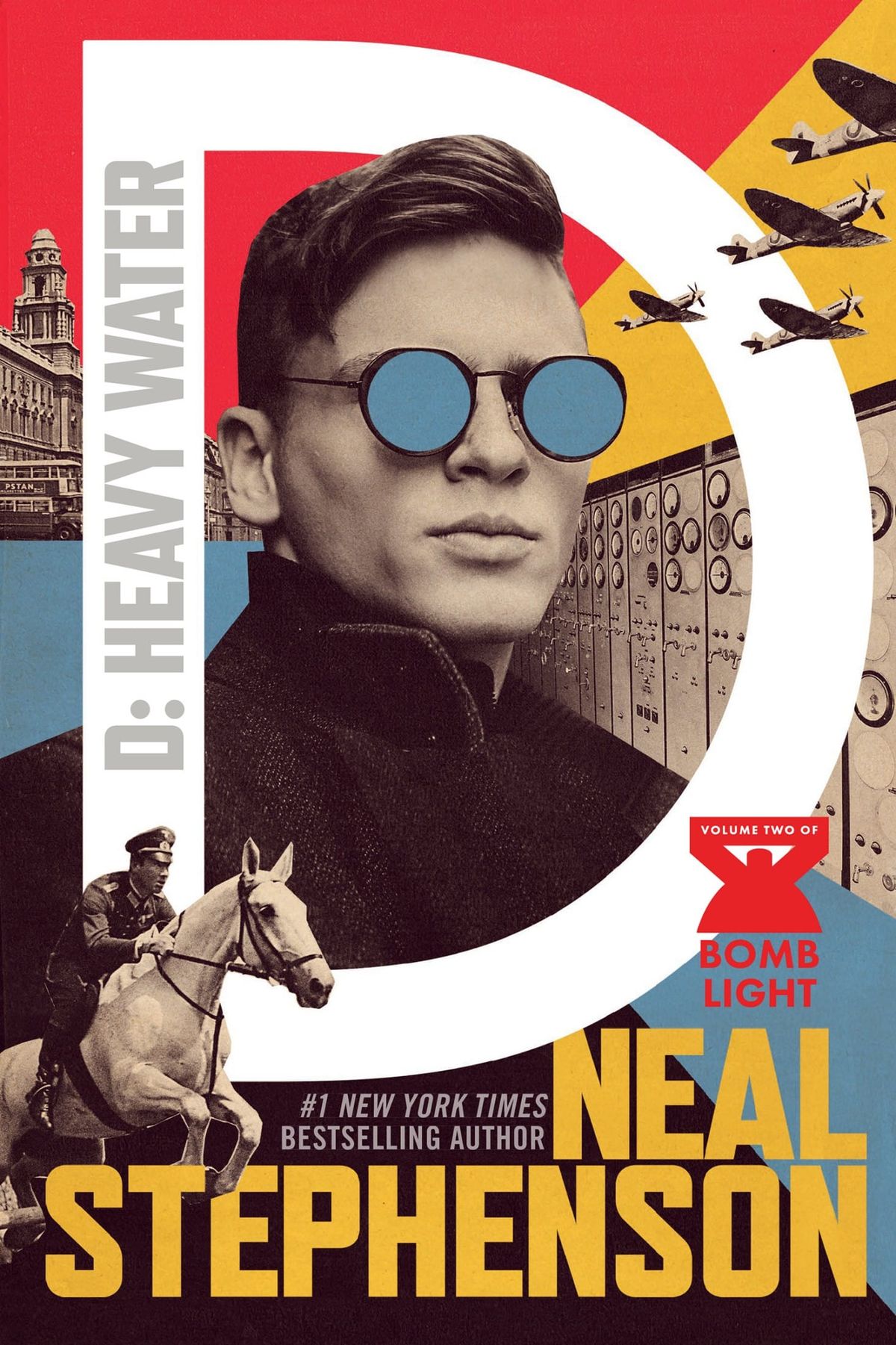
On top of being delayed, this review is something unusual for me: it covers a recently released book, which (perhaps obviously) I haven't read before. The book is Neal Stephenson's D: Heavy Water, the newest entry in his Bomb Lightseries.
A few things to start off with: first, I think the title is awful, though it's a perfect description of the book, which (unlike the title) is excellent. Second, I don't really like reading series until they're complete, but I make exceptions to this all the time.
Third, I think Stephenson is as good a historical fiction author as he is a science fiction author. I never finished his Baroque trilogy not because it wasn't good, but because it was long and at the time I had too much other reading to do.
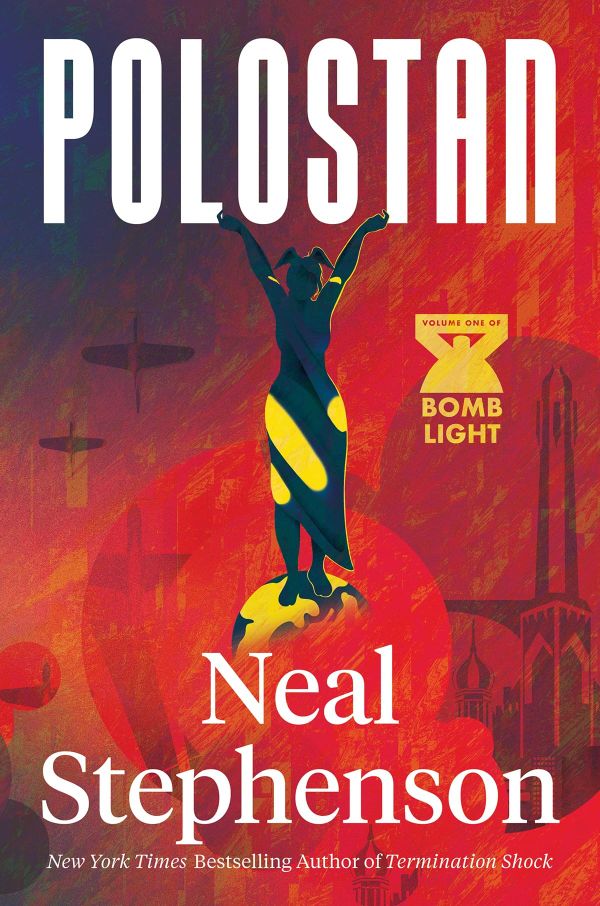
The book is a sequel to Polostan, which I reviewed a few weeks ago. That books follows the story of Aurora Armeyeva as she navigates the events and people of the early 20th century, meeting people like George Patton during the Bonus Army's occupation of Washington D,C, and Lavrentiy Beria before he became head of the Soviet Union's espionage apparatus. At the end of the book she meets British journalist Owen Crisp-Upjohn and recruits him into her world of international intrigue.
D: Heavy Water takes up the next part of the story from Crisp-Upjohn's point of view. He's a foppish roving correspondent for a major British newspaper (he doesn't say it's The Times of London, but the reader would be silly to think it's not The Times of London). After meeting Aurora in the Soviet Union he is told by his editor to travel to Australia to find a rogue British earl. After traveling through Iraq (where he visits the battlefield where his father was killed in the first world war) he eventually arrives in Australia and, in a way that is typical of Stephenson, runs into his errant nobleman, the Earl of Suffolk, and they return of England.
From here, Crisp-Upjohn (known to the earl as "Crispy") arrives in Barcelona literally on the eve of the Spanish Civil War. He meets up (again, almost by chance) with Aurora, and we come at last to the heart of the story, the liberation of Norway's supply of heavy water.
Heavy water, also known as deuterium oxide, is water with an extra hydrogen atom. It's critical in some areas of nuclear energy, since it regulate nuclear reactions by slowing down the atoms that pass through. The possibilities of nuclear energy and nuclear weaponry were understood long before the opening of the second world war, and the 1920s and 1930s were a busy time for nuclear research.
Crispy and Aurora are fictional characters among real historic personages and events, and much of what they experience in this story actually happened. Stephenson's fiction intersects with real history early in the novel and bounces off it like a skipped stone until it plunges beneath the surface in Barcelona and the start of the Spanish Civil War. It's here that Crisp-Upjohn's journalism career peters off to nothing and his involvement with Aurora becomes the center of the story. Things like the civil war and the adventures of 185 liters of heavy water as it escapes the Nazis are merely the plot; Crispy and Aurora are the heart of the book.
As always, Stephenson's writing is lucid, compelling and full of detail. Though he has a reputation for simply dumping information on the reader, placing these fictional characters (who, like most readers, know little about the story of heavy water) in the center of genuine events with historical characters helps bring history alive. The book is a page-turner, and the reader absorbs lessons in history while witnessing an unusual love story.
I'm only sorry that I'm going to have to wait a couple more years for the next book.