The Thirty-Eighth Book of 2026: Polostan, by Neal Stephenson
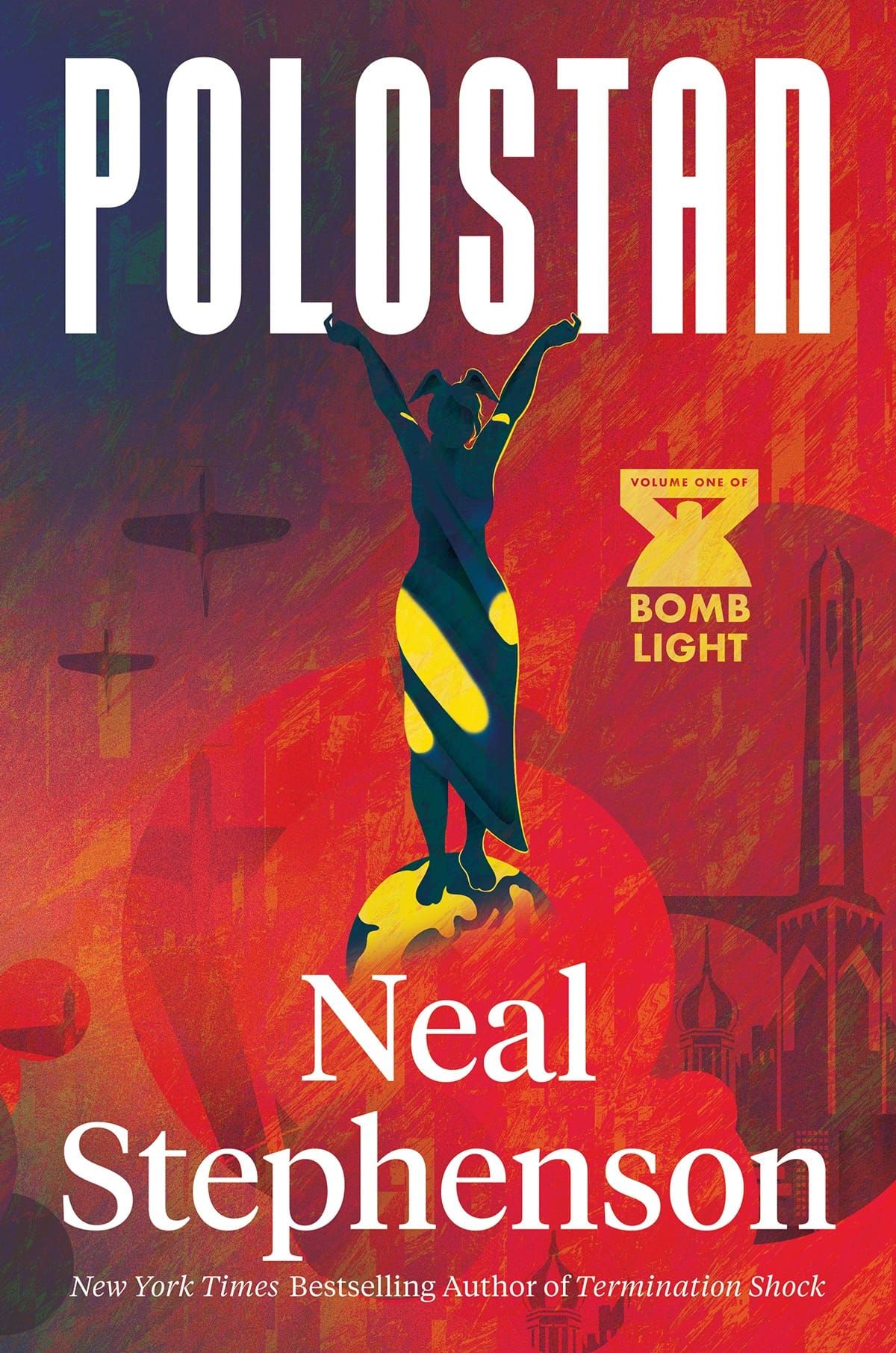
Started 10/18/26, finished 10/23/26
After a long spate of rereads of favorite books, I thought it was time to find some new material in my mound of to-be-read books. Inspired by the publication of the second book of his Bomb Light series, I pulled Neal Stephenson's Polostan (2024) from near the bottom of the pile, nearly causing the whole thing to come tumbling down around my ears. (Of course none of this happened, because my TBR pile is digital, which means I only had to hunt around in a file folder for a while to find it.)
The Bomb Light series is a story of the world of international espionage leading up to the creation of the atom bomb. Though he's known as a science fiction writer, this isn't Stephenson's first foray into historical fiction. His 1999 novel Cryptonomicon is a look at the use of cryptography in World War 2 and how it relates to modern data movement and storage (really, it's nowhere near as dull as it sounds), and the Baroque Cycle (2003-2004) is (mostly) historical fiction about the origins of modern banking, finance and other things going on in 17th and 18th century Europe.
Polostan follows the young Dawn Rae (also known as Aurora) in America and Russia in the early 20th century. She's raised by an anarchist and a Leninist in both Russia and America, and thinks of herself (and acts) as a spy in the bourgoise Depression-era America.
The story covers several historical events in depth, especially the Bonus Army's time in Washington D.C. in 1932 (where she encounters a young George Patton) and Chicago's Century Of Progress world's fair in 1934. She is held captive by a mad nurse and her preacher husband in the American midwest, flees from them under cover of a Bonnie and Clyde-style bank robbery and ends up in Russia, working for Lavrentiy Beria, future head of what became the KGB.
Stephenson has a way of making one or two characters the focus of shenanigans like this, and he has a gift for plotting that makes their presence at such unlikely events and encounters plausible. But most of all, he uses Dawn to illuminate her times. The Bonus Army occupation of Washington (and Patton's part in it) and the world's fair in Chicago were both real events, and Stephenson gives us a great deal of detail on both, all through Dawn's eyes.
Though he has a reputation for dumping a lot of information on the reader, in this novel Stephenson seems to have tamed the infodump beast. His historical details seem accurate, as far as I have tried to verify them. Infodumps often halt a story in its tracks, providing information the writer likes but the reader doesn't need. Though Stephenson has often gotten away with this in the past, in Polostan he transmits all this information through the experience of his characters. It's a talent he has developed over the years, and he's only gotten better at it.
If Dawn's adventures seem extraordinary (and they do), it's because she has been placed in extraordinary places in extraordinary times, and has the intelligence and curiosity to take advantage of them. Like the Baroque Cycle, Stephenson explores history by showing it through eyes of characters as they experience it, even though they have no idea they're helping change the world.
Polostan is shorter than usual for Stephenson. Perhaps, as he gets older, he wants to complete more stories instead of spending so much time on only one.